

Follow the Evidence Wherever It Leads
Alcibiades being taught by Socrates (François-André Vincent)
What does modern empirical evidence say about the existence of God?
By Chris and the Editorial Staff
In the summer of 2023, a good friend from my high school days summed up his view of religion as follows: As science becomes increasingly powerful in its ability to explain nature, the world relies less and less on religion to explain the unknown.
My friend’s argument is a common one, echoed by prominent atheist Richard Dawkins in his book The God Delusion:
If an apparent gap is found, it is assumed that God, by default, must fill it… gaps shrink as science advances, and God is threatened with eventually having nothing to do and nowhere to hide.
The implication is clear: The existence of this “God of the gaps” is becoming increasingly unnecessary and unlikely over time.
Meanwhile, Dr. Karin Öberg, a professor of astronomy at Harvard University who converted from agnosticism to Catholicism in adulthood (as I did), declared:
The world that we know today… is much more suggestive of a creator than, I think, the universe that people thought they were living in 100 years ago.
Who’s right? As Socrates said, let’s follow the evidence wherever it leads.

Harvard astronomy professor Karin Öberg, whose research on astrochemistry has been cited over 25,000 times, converted to Catholicism in adulthood
The universe is characterized by order, creativity, and beauty, which points not just towards a creative force but towards a creative mind and a creative love.
— Dr. Karin Öberg
(Cosmic Origins and Christian Creation)
Origins of the Universe
The Appeal of an Infinite Past
Secular scientists used to take it for granted that the universe had no beginning. Stephen Hawking pointed out in his book A Brief History of Time:
Many people do not like the idea that time has a beginning, probably because it smacks of divine intervention.
John Maddox, a former editor of Nature, stated in a 1989 editorial that the Big Bang is “philosophically unacceptable” because it gives people “ample justification” for their religious beliefs and predicted that “it is unlikely to survive the decade ahead.” The steady-state theory, which states that the universe had no beginning or end, was proposed in 1948 as an alternative to the Big Bang theory. As a proponent of the steady-state theory, American theoretical physicist and Nobel laureate in physics Steven Weinberg said:
The steady-state theory is philosophically the most attractive theory because it least resembles the account given in Genesis.
Ab Initio Temporis
In contrast, physicist Dr. Stephen Barr notes the following in his book Modern Physics and Ancient Faith:
Jews and Christians believe that the universe had a beginning in time… they think that this has been explicitly revealed by God in the first words of Genesis: “In the beginning, …” …
In the year 1215, the Fourth Lateran Council declared that it was a matter of Christian faith that the world was created by God “ab initio temporis,” i.e., “from the beginning of time.” (Barr, p. 34)
In 1929, Edwin Hubble’s work on the movement of galaxies formed the first observational basis for the expansion of the universe, which in turn suggested that the universe had a beginning. Father Georges Lemaître, a Belgian priest and MIT-trained theoretical physicist, proposed the Big Bang theory in 1931, which stated that the universe originated from a primeval atom when space and time came into existence. Initially, Albert Einstein told Fr. Lemaître: “Vos calculs sont corrects, mais votre physique est abominable. (Your calculations are correct, but your physics is abominable).” Einstein later admitted that he was wrong.

Fr. Georges Lemaître (middle), who proposed the Big Bang, stands between Albert Einstein and Robert Millikan at the Caltech Faculty Club, Pasadena in 1933. Credit: Bettmann / Getty Images
In 1965, radio astronomers Arno Penzias and Robert Wilson of Bell Labs detected cosmic background radiation that supported the Big Bang, which is universally accepted today. Penzias, who shared the 1978 Nobel Prize in Physics with Wilson, remarked:
The best data we have [concerning the Big Bang] are exactly what I would have predicted, had I nothing to go on but the five Books of Moses, the Psalms, the Bible as a whole.
…
In summary, therefore, we find a universe which was created out of nothing, one which is in very delicate balance to provide exactly the conditions needed to provide for life, and thirdly, one which has an underlying, one might say supernatural, plan.
I think it is strangely fortuitous and—maybe to the point where I think it must be providential—that just as atheism became the dominant ideology in the academe, we get this scientific discovery that the universe has a beginning that just has the look and feel of creation.
And even if it can't prove it, it for sure begs the question of where the universe came from, when you can see that it changes into what looks like nothing as you go back in time. And in that way we have, I think, with the Big Bang Theory an icon of creation which is far more impressive than, I think, anyone could ever have imagined if it hadn't been for the help of contemporary science.
— Dr. Karin Öberg
(Cosmic Origins and Christian Creation)
A Fine-Tuned Universe
Aside from the Big Bang, modern science has produced another surprising observation: The universe is fine-tuned for life.
Findings from Astrochemistry
Drawing on her research in astrochemistry, Dr. Karin Öberg has spoken at length on how the universe appears specifically ordered to facilitate the emergence of life.
The chances that carbon and other elements combined completely by unguided chance into functional RNA and DNA chains and proteins are really too small to take seriously.
This suggests something really interesting, which is that on a planet like Earth, the chemistry has a trajectory; it has a trajectory towards life… There seems to be something inherent in the laws of chemistry that enable the building blocks of life to assemble prebiotically…
The observation that a transition from simple chemistry and simple molecules to the building blocks of life happen on at least one planet is already very suggestive that there is directionality built into the chemistry in the cosmos. (Big Bang Cosmology and Christianity)
Through her research, Dr. Öberg notes that "it's quite exciting that we see what we think of as the basic ingredients for possible origins of life chemistry also around other stars where planets are currently assembling." Specifically, when isolating light from specific molecules found in discs around young stars, "we see water, we also see some small organics including things like hydrogen cyanide". (Cosmic Origins and Christian Creation)
There’s been a lot of good science in the past few years, past decades showing that it's actually quite easy for nature to form very complex organic molecules... That's true in space, it's true in comets, it's true on planets. (Overcoming the Science and Religion Divide)
Dr. Öberg points out that ultimately, these discoveries tell us "something really exciting about how the laws of nature are ordered in this universe, and how some say chemistry is pointing towards biology in some really fundamental, beautiful way."
Six Constants
In 1999, British Astronomer Royal Martin Rees published a book Just Six Numbers, which describes fundamental quantities in physics that determine everything from the size and shape of galaxies to the possibilities for life on Earth, such that if any of these numbers were even slightly different, the universe as we know it wouldn’t exist:
| N | (~1036) | Ratio of the strength of electromagnetism to the strength of gravity for a pair of protons. If N were significantly smaller, only a small and short-lived universe could exist; Rees notes “no creatures could grow larger than insects, and there would be no time for biological evolution.” |
| ε | (0.007) | Fraction of mass energy converted to new energy when hydrogen fuses into helium. Rees believes that if this constant were above 0.008, no hydrogen would exist. However, some physicists disagree and believe that this constant should be replaced by αs (~0.1179), the strong force coupling constant; substantial hydrogen remains as long as this constant doesn’t increase by more than 50%. |
| Ω | (~1) | Amount of matter in the universe. A value greater than one would mean the universe would collapse back on itself, a value less than one would imply too little matter for galaxies to form. |
| λ | (~0.7) | The cosmological constant, a measure of the repulsive "dark energy" that is causing the universe's expansion to accelerate. If λ were significantly larger, the universe would have expanded too rapidly for galaxies and stars to form. |
| Q | (~10-5) | Pertains to the initial irregularities in the universe's mass distribution. A smaller Q would result in a universe forever barren of anything complex; a larger one would result in a violent universe with no galaxies at all. |
| D | (3) | Number of spatial dimensions in our world. In a universe with more than three dimensions, gravity would not fall off with distance as it does in our universe, likely leading to unstable planetary orbits. In a universe with fewer than three dimensions, many complex structures (like our brains) would not be possible. |
Stephen Hawking in his book The Grand Design acknowledges:
Our universe and its laws appear to have a design that both is tailor-made to support us and, if we are to exist, leaves little room for alteration. That is not easily explained and raises the natural question of why it is that way.
Anthropic Principle
One common response to the fine-tuning problem is the anthropic principle, which states that we shouldn’t be surprised to find ourselves in a universe that allows for our existence since we wouldn’t be around to observe a universe that wasn’t conducive to our existence.
Philosopher John Leslie counters this with the following analogy, retold by Dr. Francis Collins (former head of the Human Genome Project and the National Institutes of Health):
In this parable, an individual faces a firing squad, and fifty expert marksmen aim their rifles to carry out the deed. The order is given, the shots ring out, and yet somehow all the bullets miss and the condemned individual walks away unscathed.
How could such a remarkable event be explained? Leslie suggests that there are two possible alternatives ... In the first place, there may have been thousands of executions being carried out in that same day, and even the best marksman will occasionally miss. So the odds just happen to be in favor of this one individual, and all fifty of the marksmen fail to hit the target. The other option is that something more directed is going on, and the apparent poor aim of the fifty experts was actually intentional. Which seems more plausible? (Collins, p. 77)
While the anthropic principle points out that there is a limited range of outcomes that can be observed in a universe that has the characteristics to support intelligent life, it is an unsatisfying answer to how our fine-tuned universe came to be despite the infinitesimal odds. If something unlikely happens, whether it’s 50 marksmen all missing their target or the far more improbable existence of our universe, it’s reasonable to look for a reason why.
Multiverse Theory
Stephen Hawking proposed one solution: Our universe is just one among a potentially infinite number of universes, each with different physical constants. While this multiverse theory could explain the existence of our universe, it suffers from a lack of evidence. Sir Penrose, the aforementioned Nobel laureate who collaborated extensively with Hawking, said the following about Hawking’s use of the multiverse theory and the related M-Theory in The Grand Design:
It’s overused, and this is a place where it is overused. It’s an excuse for not having a good theory.
…
The book is a bit misleading. It gives you this impression of a theory that is going to explain everything; it’s nothing of the sort. It’s not even a theory.
Shortly before he passed away, Hawking acknowledged the following in his 2018 paper A Smooth Exit from Eternal Inflation?:
We are not down to a single, unique universe, but our findings imply a significant reduction of the multiverse, to a much smaller range of possible universes.
Referring to this paper, British author and professor Philip Goff wrote in the Guardian:
The problem is that the less variety there is among the universes, the less capable the multiverse hypothesis is of explaining fine-tuning. If there is a huge amount of variation in the laws across the multiverse, it is not so surprising that one of the universes would happen to have fine-tuned laws. But if all of the universes have exactly the same laws—as in Hawking and Hertog’s proposal—the problem returns, as we now need an explanation of why the single set of laws that govern the entire multiverse is fine-tuned.
…
There is still hope for a scientific account of fine-tuning. However, by ruling out one of the two scientifically credible options for doing this, Hawking and Hertog have slightly strengthened the alternative explanation in terms of God. It is ironic that the atheist Hawking should, in his final contribution to the science, make God’s existence less improbable.
The Universe Is Like a Garden
So we live in a universe that has a beginning and is fine-tuned for life.
But Richard Dawkins protests in The God Delusion:
Isn’t it enough to see that a garden is beautiful without having to believe that there are fairies at the bottom of it too?
Oxford mathematician Dr. John Lennox responds,
But when he sees the beauty of a garden, does Dawkins really believe that there is no gardener?... I find it incomprehensible and rather sad that he presents us with such an obviously false set of alternatives: the garden on its own, or the garden plus fairies. Real gardens do not produce themselves: they have gardeners and owners. Similarly with the universe: it did not generate itself. It has a creator—and an owner. (Lennox 2011, p. 230)
I actually think that the past decade and even the past few years have shown us that chemistry might be more directed towards biology than we previously assumed.
I think this is—if this turns out to be true—super exciting. If we think back on that the cosmos was created to be lived in, that is what you would expect. You would expect that somehow the building blocks of biology is directed towards living things and that the kind of chemical reactions that are preferred are the ones that create the kind of molecules that you would need for biology.
— Dr. Karin Öberg
(Cosmic Origins and Christian Creation)
The Resurrection of Christ
Dr. Lennox highlights the likelihood of a creator and owner of our universe. What do recent data say about Christianity in particular?
Our article on the Resurrection shows that Jesus Christ, whose existence and crucifixion are historically attested by non-Christian sources, gained followers who witnessed and interacted with his risen form and willingly faced martyrdom after recording their testimony in the Gospels.
For centuries, scholars and skeptics doubted the historical accuracy of biblical details, including the existence of specific people, places, and titles. But the archaeological discoveries speak for themselves: [use the arrows below to scroll through the slides]
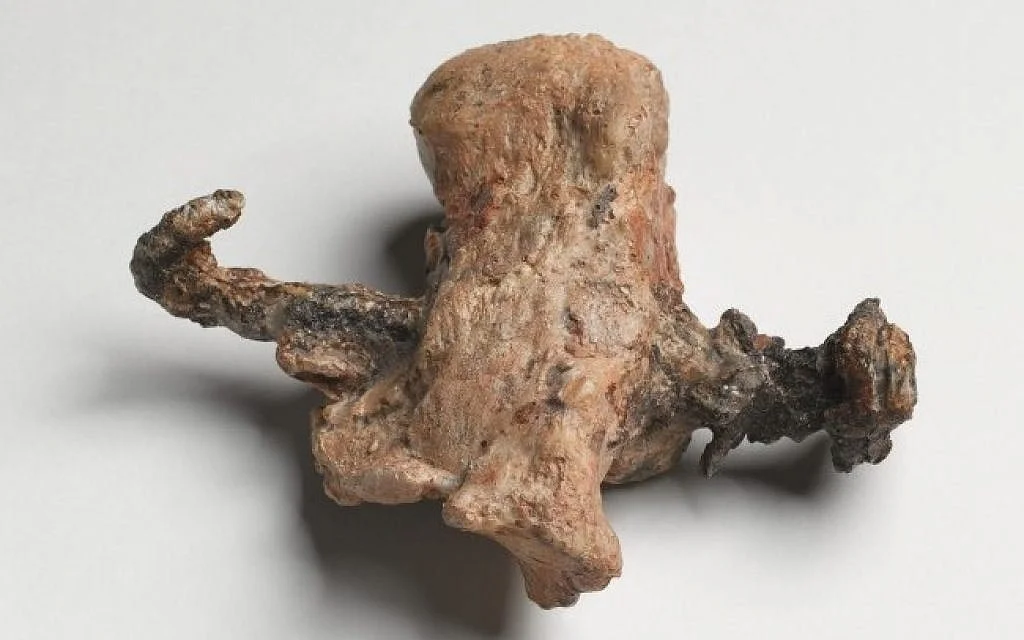
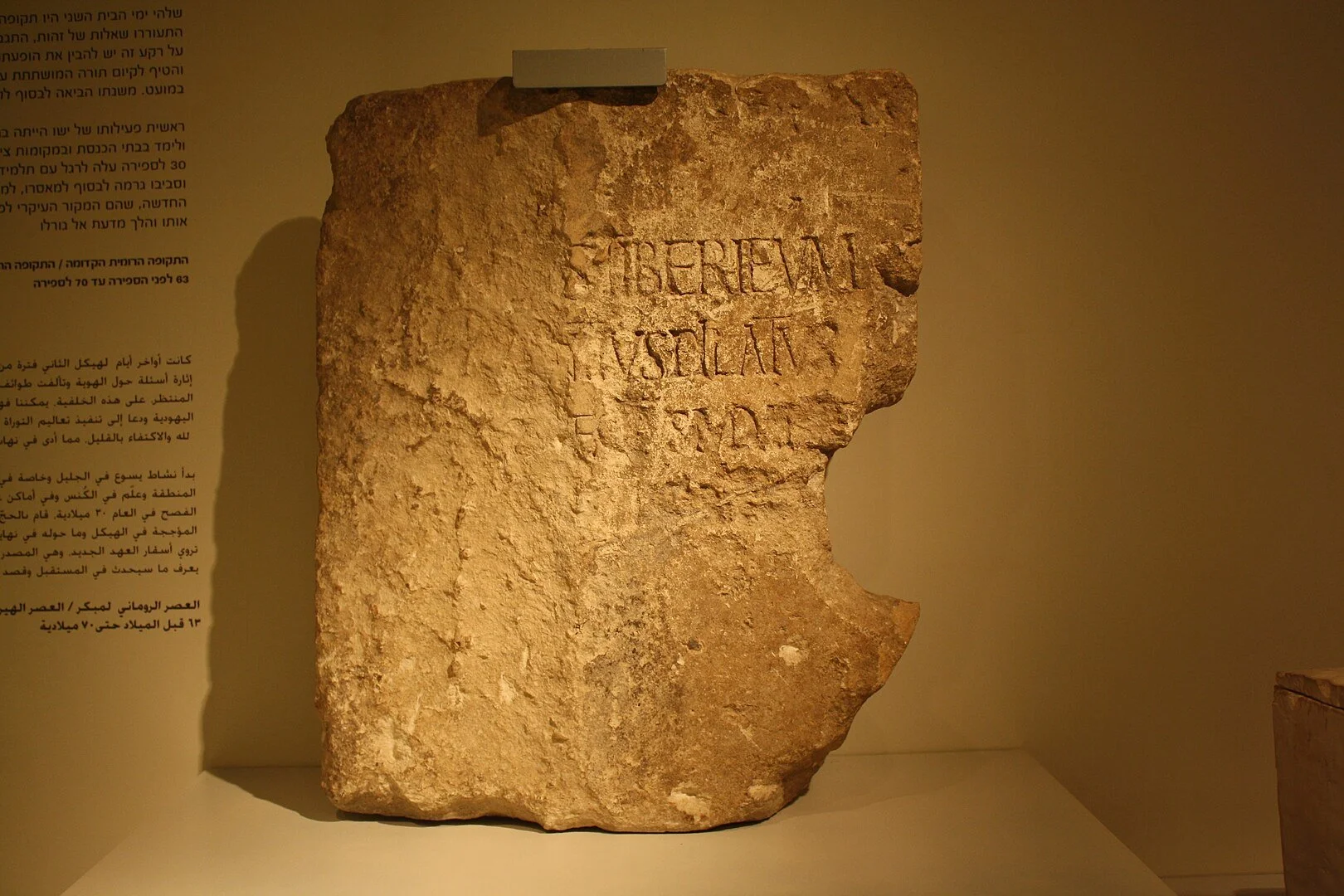
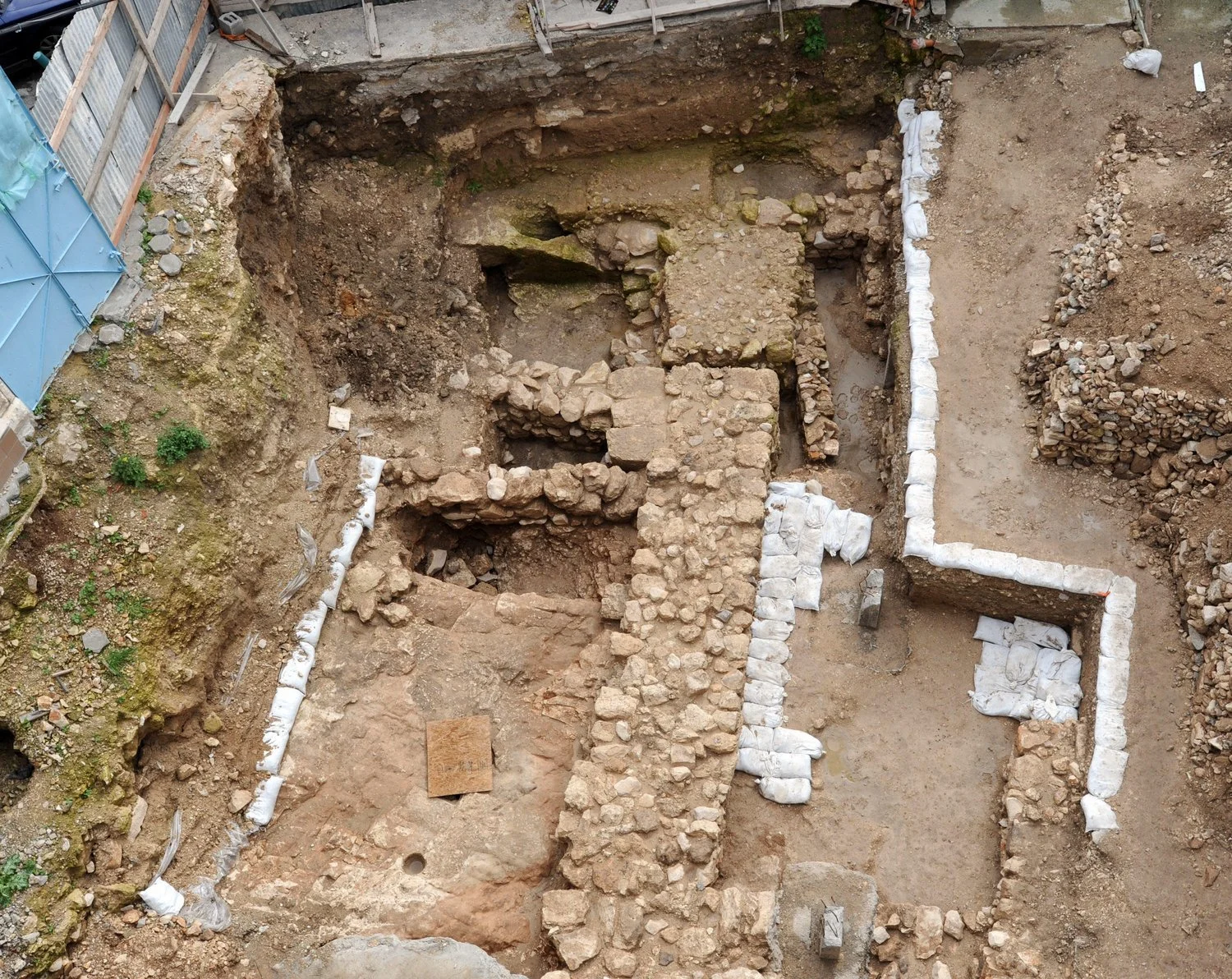
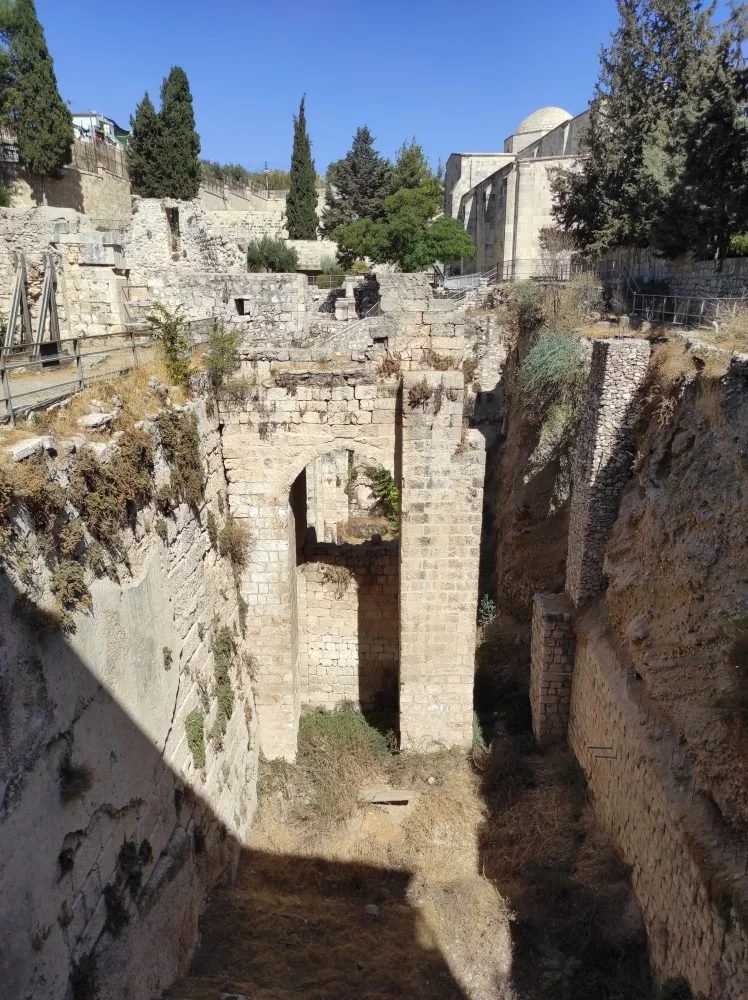
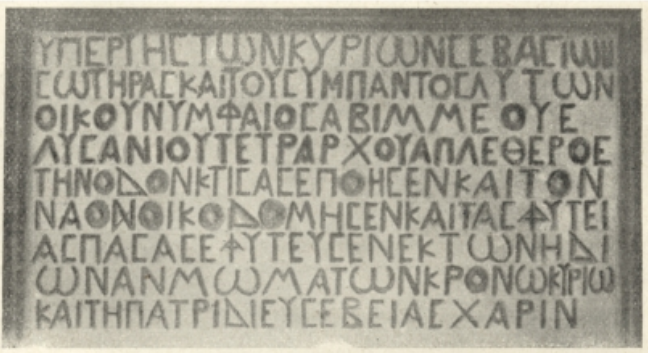
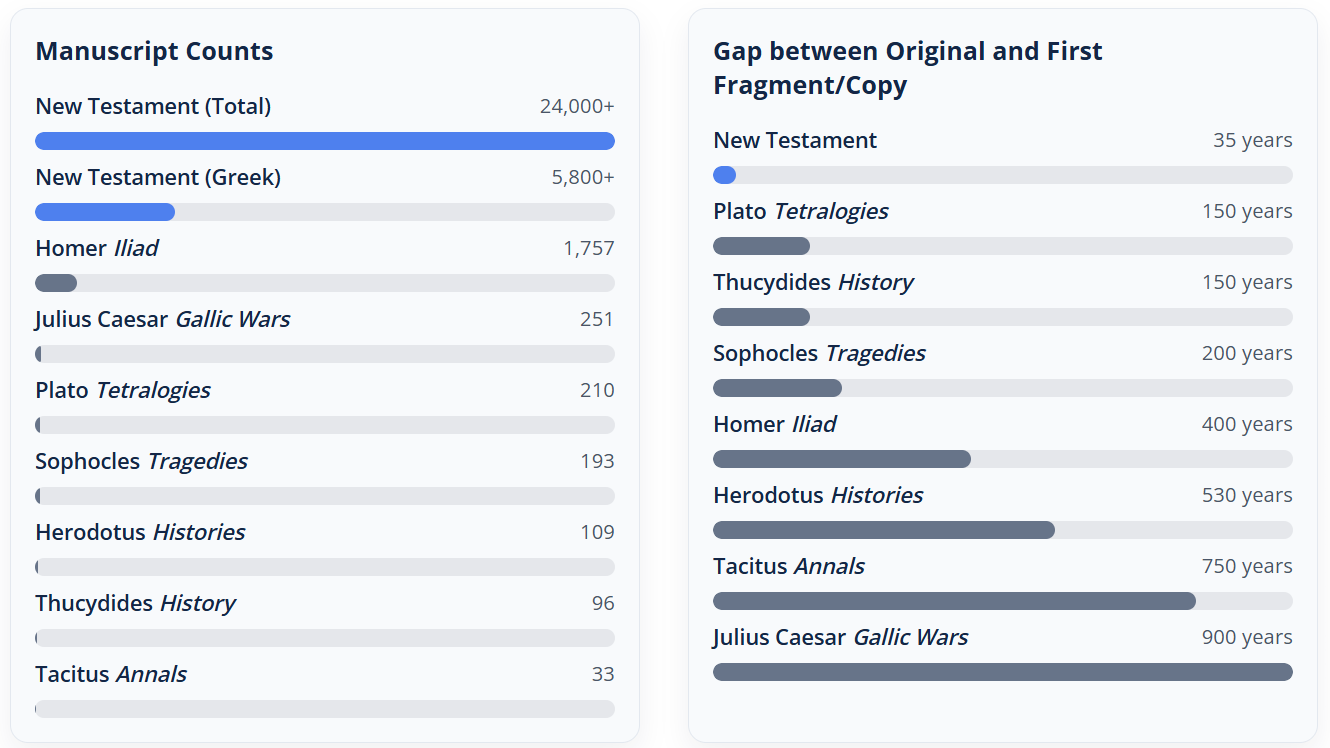
The New Testament is the best-attested work of antiquity by a wide margin. There are thousands of surviving ancient manuscripts. The time span between the books’ original composition dates and their oldest surviving fragments/copies is remarkably short.
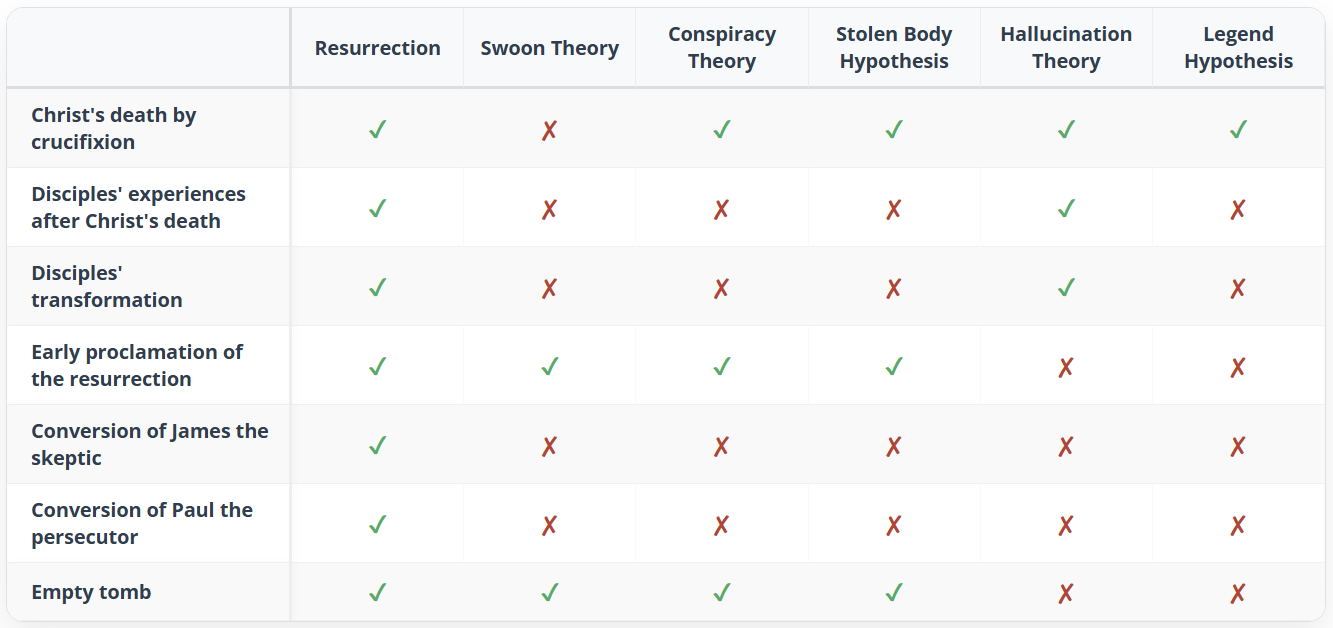
The Minimal Facts approach, championed by New Testament scholar and theologian Gary Habermas, focuses on data that are strongly attested and accepted by the vast majority of scholars, including skeptics. The strength of the resurrection hypothesis lies in its ability to explain these facts better than alternative theories.
The crucifixion and Resurrection events were not unforeseen.
The Great Isaiah Scroll was found among the Dead Sea Scrolls and radiocarbon dated to c. 335–125 BC. It contains Isaiah 53, which predicts a servant who:
Is “pierced for our transgressions.” Note: The Hebrew word used in the scroll (mecholal) means “pierced” or “bored through.”
Is “like a lamb that is led to the slaughter” (silent before accusers).
Is assigned a “grave with the wicked” but is “with a rich man in his tomb” (buried in the tomb of Joseph of Arimathea).
Yet, after suffering, “shall see light.”
Psalm 22 was written a millennium before the Romans adopted crucifixion. It describes an execution style unknown to the author (King David, who would have known stoning):
“They have pierced my hands and feet — I can count all my bones” (v. 16-17)
“I am poured out like water, and all my bones are out of joint” (v. 14). Note that the sensation of bones being “out of joint” is consistent with the orthopedic consequences of death by suspension.
“They divide my garments among them, and for my clothing they cast lots” (v. 18).The Roman soldiers gambled for Jesus’ tunic. Under Roman law, the clothes and minor possessions of an executed criminal were the perks of the execution squad.
The resurrection of Jesus, which transformed completely the thought and the lives of those who witnessed it, testified for me that the Holy Spirit that searches an open heart has the power and the love to free us from conformity and transform us by the renewing of our mind.
— John B. Goodenough, winner of the 2019 Nobel Prize in Chemistry and developer of the lithium-ion battery
The Divinity of the Eucharist
But even considering the modern supporting evidence for the historical reliability of the Bible, the miracles in question occurred 2000 years ago. What do more recent events say about Christianity?
Before his own road to crucifixion, Christ told his followers during the Last Supper that the bread and wine were his body and blood, driving home the point that he was the sacrificial lamb in a new Passover.
While the transubstantiation of the bread and wine into Christ’s body and blood is normally invisible, our article on Eucharistic miracles describes five instances where the substances physically transformed into human heart muscle and blood. These phenomena were studied by reputable forensic scientists, universities, and independent labs in Poland, Italy, Mexico, and the US in the last several decades. The article provides 1) excerpts from and links to lab reports, including detailed analyses and microscope imagery; 2) interviews with the scientists involved; and 3) other materials for your own exploration, including contact information for the living scientists and the Google Maps locations where you can see the Eucharistic objects in person.
These scientific analyses of the Eucharistic miracles don’t constitute a standalone proof of God—after all, the documentation has not been formally published in peer-reviewed scientific journals. This is not surprising because of the lack of formal chain of custody (these events occurred spontaneously in church parishes) and the general unwillingness of many academic institutions to participate in the studies. However, they do show how reputable scientists studying these transformations across decades used a variety of scientific tools to confirm that what they were seeing was truly heart tissue and blood.
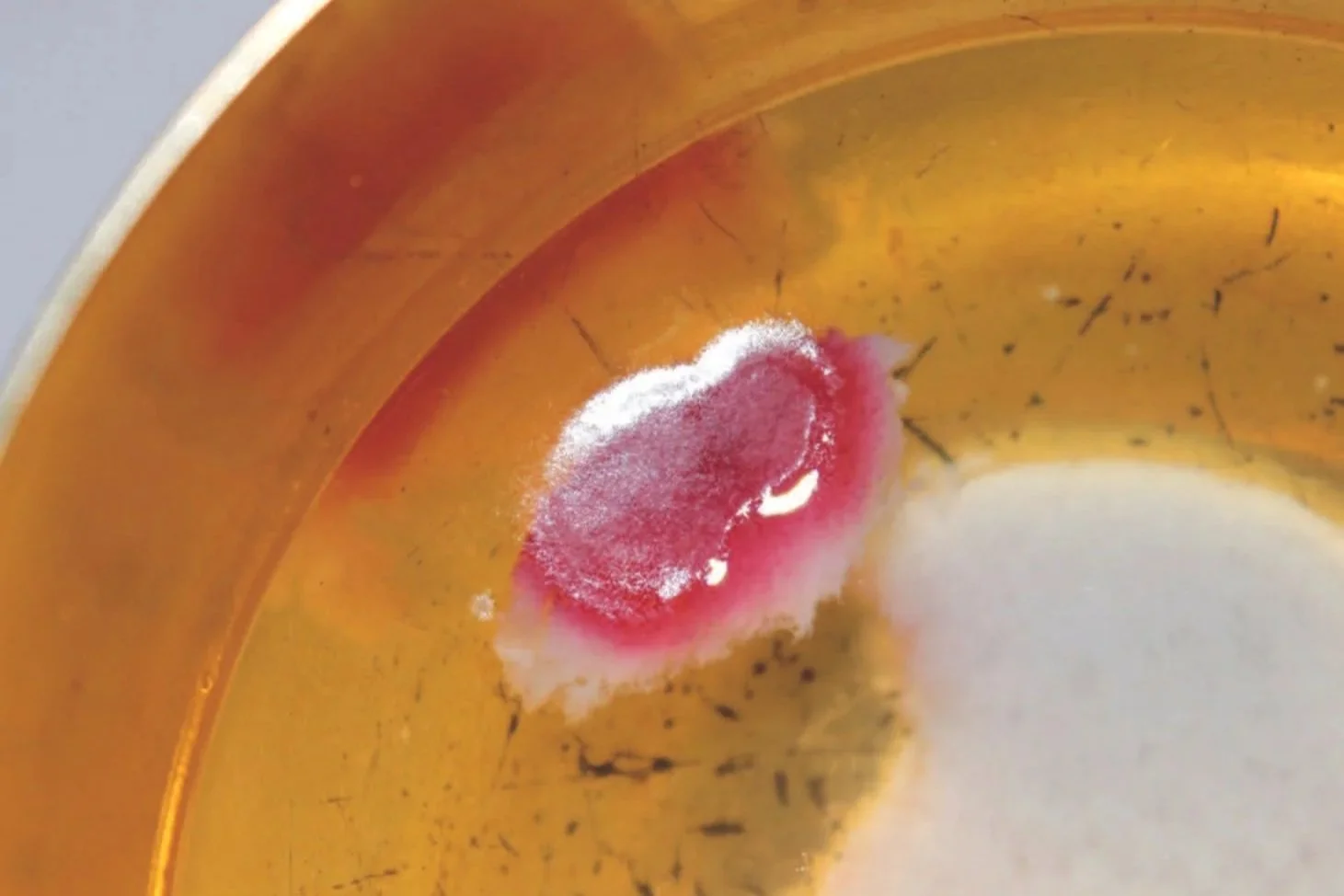
The Communion host from Legnica, Poland in 2014, found to contain human heart muscle in a study by Pomeranian Medical University (Poland).
Translated excerpt of the report from Pomeranian Medical University confirming the existence of cardiac flesh in the Legnica sample.

The Communion host at Sokolka, Poland where the red tissue is joined to a host fragment (top left). The underlying surface is a linen corporal with an embroidered red cross.

Longitudinal fibers with bifurcations, typically seen in cardiac muscle, were discovered in the sample from Tixtla, Mexico.
Dr. Odoardo Linoli’s original 1971 report documenting the presence of human cardiac flesh and blood in the Lanciano specimens.
Letter from Professor Ruggero Bertelli at the University of Siena confirming Dr. Linoli's identification of cardiac tissue.

A close-up of the flesh of Lanciano. According to Dr. Odoardo Linoli, the thicker part at the bottom is a remnant of the left ventricle, whereas the thinner upper part belongs to the right ventricle of the human heart.

A close-up of the five coagulated clumps of blood at Lanciano
A scientific discovery is also a religious discovery. There is no conflict between science and religion. Our knowledge of God is made larger with every discovery we make about the world.
— Joseph H. Taylor, Jr., winner of the 1993 Nobel Prize in Physics and discoverer of the first known binary pulsar
Apparitions of the Blessed Virgin Mary
Beyond the Eucharistic miracles, what other events shed light on the reality of Christianity?
While Christ was dying on the cross, he told a disciple in the presence of Mary, the mother of Jesus, “Behold, your mother,” suggesting that Mary is the protective mother of mankind. Countless apparitions where Mary has appeared to people throughout the centuries have provided a recurring reminder of this motherhood along with warnings for people to amend their lives and follow the Gospel.
Our Lady of Lourdes
Our article on Our Lady of Lourdes provides one such example.
In 1858, in a grotto in the French countryside of Lourdes, the Blessed Virgin Mary reportedly appeared 18 times to Bernadette, an uneducated 14-year-old girl, promoting prayer (especially the Rosary), peace, and spiritual conversion. This event shares many parallels with the 20th-century Marian apparitions at Fátima, Portugal.
On February 25, 1858, during one of the apparitions, Bernadette reported that the Lady instructed her to drink from a spring, where she initially found only “a little muddy water.” This muddy water, however, soon transformed into a spring that eventually yielded 25,000 gallons per day. Within days, people began to experience miraculous cures by touching this water.
To this day, thousands claim to have received miraculous healings at Lourdes.
In 1883, the Sanctuary of Our Lady of Lourdes created the Lourdes Medical Bureau to document and clinically assess the rapidly growing number of reported cures. Its physicians collect and verify prior diagnoses, review complete medical records, and examine the people who claim they were healed to compare findings before and after the event. Since 1954, cases that appear exceptional are then submitted to the International Medical Committee of Lourdes (CMIL)—an expert panel of about thirty respected physicians (typically professors, department heads, and specialists in fields such as surgery, psychiatry, neurology, and oncology)—to judge whether the healing is medically inexplicable. Members are selected based on medical expertise, and they serve without religious bias, focusing solely on the scientific assessment of cures.
Seventy-two healings in Lourdes, France have been recognized as scientifically inexplicable by a panel of ~30 respected physicians, after reviewing extensive medical testing and documentation.

Antonia Raco from Italy in Lourdes, France, before and after her cure from primary lateral sclerosis, a neurodegenerative disorder similar to ALS.

[PDF] Detailed medical commentary on Antonia Raco compiled by Dr. Alessandro de Franciscis, president of Association Médicale Internationale de Lourdes.
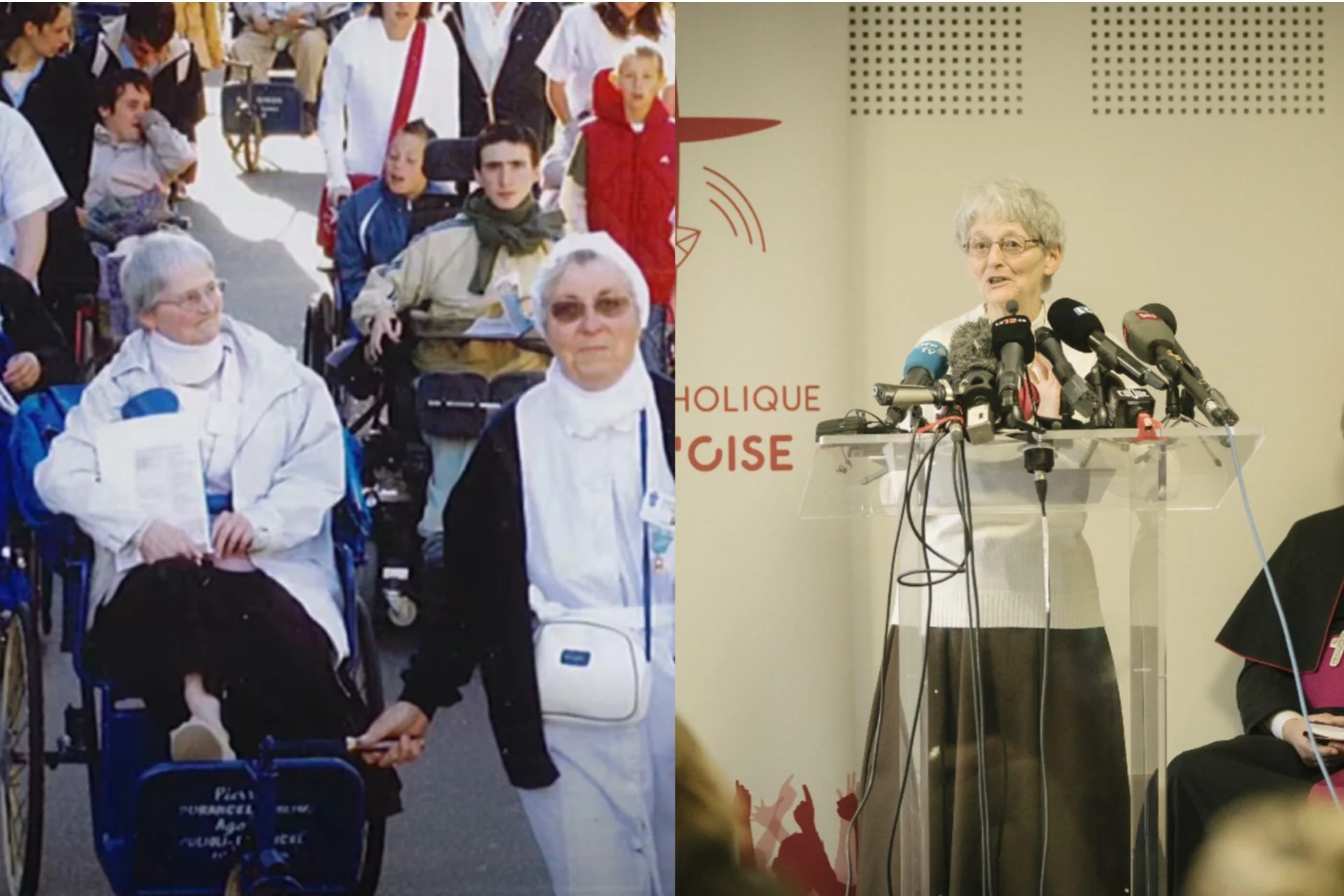
Frenchwoman Sister Bernadette Moriau, who suffered from debilitating back pain and a deformed left foot due to cauda equina syndrome, went to Lourdes in 2008 (left) and then experienced a complete recovery.
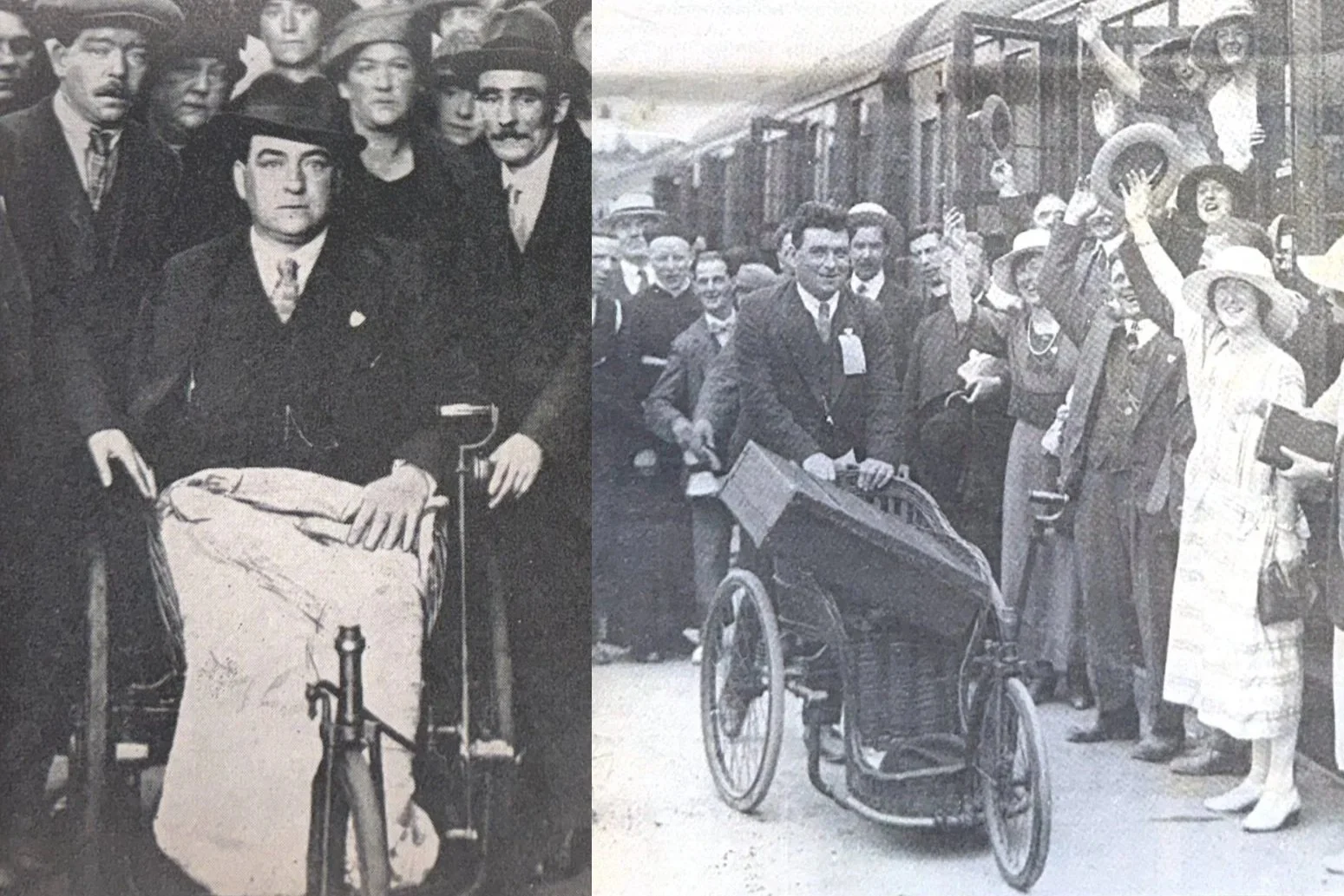
English soldier John Traynor left for Lourdes on July 20, 1923 (left), while suffering from multiple ailments including epilepsy and paralysis of his legs and right arm. He was cured after being submerged in the Lourdes baths several days later, and he pushed his own wheelchair afterward (right).
[PDF] Official minutes (English) on John Traynor by the Lourdes medical bureau in 1926
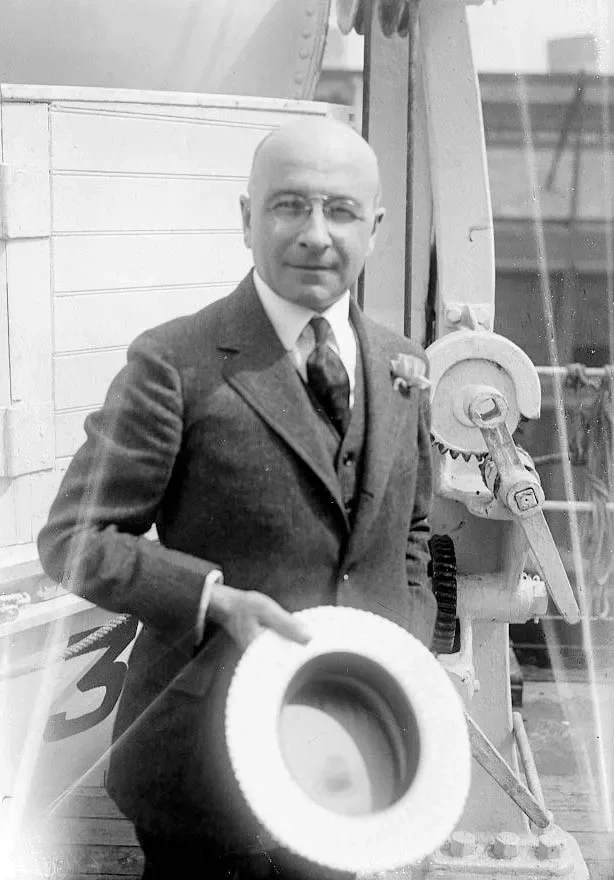
Nobel laureate Dr. Alexis Carrel witnessed two dramatic healings at Lourdes and later converted to Catholicism.
Our Lady of Fátima
Our article on Our Lady of Fátima explains another example, where the Virgin Mary appeared to three shepherd children, communicated messages urging prayer and sacrifice, and promised a miracle so that “all will believe,” indicating the day, hour, and location in advance. As the article demonstrates, the Miracle of the Sun was witnessed and attested by many spectators, including atheists and anti-Catholic journalists. Dramatic healings occurred afterward, attested by many doctors across Portugal.

The first newspaper to report was O Seculo, a secular anticlerical newspaper founded in 1881. Avelino de Almeida, journalist of O Seculo, reported on October 15:
The sun reminds one of a disk of dull silver, and it is possible to look straight at it without the least effort. It doesn’t burn, nor does it blind. One has the impression that an eclipse is taking place… the sun trembles, the sun makes brusque movements, never seen before, and beyond cosmic laws—the sun ‘danced’ as the typical expression of the peasants puts it. (Jaki 31-32)
O Portugal, another anticlerical newspaper and an organ of Portugal’s Democratic Party, wrote in an article titled “The Sun Dances Madly”:
What surprises us is not that a dense and noisy crowd ran to the place of the marvel to participate in heavenly revelations—we are already very much used to the manifestations of native credulity—but what in truth surprises us is that the sun, a respectable star, one with its credits firmly established, also takes part in the affair and dances like a mad dancer in a wild country dance. (Kohout 308)
Couldn’t this whole event have been explained away as a mass hallucination? The presence of remote spectators, who were unaware of the miracle about to occur, rules this out.
Inácio Lourenço and his brother Joaquim in Alburitel, 18 km from Fátima:
I feel incapable of describing what I saw and felt. I looked fixedly at the sun, which seemed pale and did not hurt the eyes. Looking like a ball of snow revolving on itself, it suddenly seemed to come down in a zigzag, menacing the earth. Terrified, I ran and hid myself among the people, who were weeping and expecting the end of the world at any moment. (Jaki 209)
Portuguese writer Afonso Lopes Vieira at his home in San Pedro de Muel, 34 km from Fátima:
On that day of October 13, 1917, without remembering the predictions of the children, I was enchanted by a remarkable spectacle in the sky of a kind I had never seen before. I saw it from this veranda. (Jaki 202; Haffert 40)
Ghuilhermina Lopes da Silva from Leiria, 16 km northwest of Fátima:
I was looking toward the mountain at noon when suddenly I saw a great red flash in the sky… I called two men who were working for us. They, of course, saw it, too. (Haffert 41-42)
Albano Barros near Minde, 12 km south of Fátima, while tending his sheep:
Suddenly there, in the direction of Fátima, I saw the sun fall from the sky. (Haffert 40-41)
Is the Church inimical to science? Growing up as a Catholic and a scientist—I don’t see it. One truth is revealed truth, the other is scientific truth. If you really believe that creation is good, there can be no harm in studying science. The more we learn about creation—the way it emerged—it just adds to the glory of God. Personally, I’ve never seen a conflict.
— Joseph E. Murray, winner of the 1990 Nobel Prize in Physiology or Medicine and pioneer of organ transplants
The Devil and Exorcisms
Even among believers, it can feel jarring to accept the Christian belief of the Devil, which has been endlessly dramatized in Hollywood and thus feels like a horror gimmick. If the Devil exists today and can even possess humans as described in Scripture, then surely we can find actual recent testimony about demonic possessions?
In the Gospels, Christ performed many exorcisms and empowered his disciples to drive out demons in his name. Officially appointed exorcists in the Catholic Church have performed countless exorcisms over the millennia.
Our article on exorcisms compiles witness testimony from named exorcists and non-exorcists (including a Princeton/Yale/Columbia-trained psychiatrist who performs psychiatric evaluations) that universally attest to the supernatural character of the diagnosed demonic possessions. I spoke with several of these witnesses in early 2024 and compiled their testimony in the article. The described phenomena include secret knowledge, aversion to sacred objects (even in blind tests), and superhuman strength.
Following the Evidence
Before the advent of science, only religion or mythology provided common explanations for how the world came to be. In recent times, scientific and technological advancements have provided new explanations that my high school friend finds sufficient.
But the truth is our expanding knowledge has also brought a deeper understanding of what we still don’t know. With this knowledge, we’ve come to appreciate that our universe is fine-tuned for life to an infinitesimally improbable degree, but this begs the question: Why? Astronomical observations support a Big Bang, first postulated by a Catholic priest, but what—or who—created the Big Bang?
New scientific tools have also deepened our ability to examine religious events more closely. Rather than endangering our conception of God, these tools have uncovered abundant evidence to bolster a rational belief in Christianity in the modern age. Recent archaeological findings support the reliability of the Bible and the resurrection of Christ. Advances in recent decades allow us to scrutinize potential miracles in microscopic detail. Now a scientist can examine a specimen from a Eucharistic miracle over a thousand years old and use immunochemical testing to confirm that the tissue is human heart and blood. Transmission electron microscopy can confirm the presence of heart muscle intricately intertwined with a Communion wafer. Beyond these scientific tools, events such as the Miracle of the Sun just over a hundred years ago are especially compelling when they are witnessed by tens of thousands of spectators, including numerous skeptics who confirmed the extraordinary phenomena that day.
As Harvard astrochemist Dr. Öberg said, what we know of the world today is even more suggestive of a creator than it was in the past.
The Ultimate Test
While all this evidence leads us closer to affirming the existence of God, we will probably never find absolute proof for the existence of God that will convince everyone beyond any doubt. The only way to gain full certainty in the truth of Christianity is to live out a devout Christian life and experience all the graces that come from it.
Dr. Lennox writes in Can Science Explain Everything?:
Christianity is also eminently testable at the personal level. If it were not, I, for one, would just not be interested in it. How can we test it? Think of what Jesus promises to those who repent of their sin and trust him for salvation—peace with God, forgiveness, a new life with new powers and desires and opportunities, new fellowship and friendship with God, a deep love for a new community of Christians, new avenues of service, and potential for human flourishing, as well as resources to cope with life’s pain and suffering—all of it flooding life with new meaning. (Lennox 2019, p. 122)
Indeed, this new meaning comes from following a God of love, humility, mercy, and justice—not any “God of the gaps” whose sole purpose is to explain away the unknown.
One can also gain confidence in the truth of Christianity vicariously through the testimony of devout believers, including highly intelligent and accomplished individuals who are living witnesses to the rationality and intellectual robustness of the faith.
Richard Dawkins claims in The God Delusion:
The nineteenth century is the last time when it was possible for an educated person to admit to believing in miracles like the virgin birth without embarrassment. When pressed, many educated Christians today are too loyal to deny the virgin birth and the resurrection. But it embarrasses them because their rational minds know it is absurd, so they would much rather not be asked.
As a practicing 21st century Christian, I unabashedly believe in these so-called “absurd” teachings. So does Professor Karin Öberg. And so do countless other scientists, mathematicians, and other rational human beings who are not afraid of openly sharing their faith.
Here’s a small handful of them:
Evan O’Dorney: two-time gold medalist and two-time silver medalist at International Mathematical Olympiad, three-time Putnam Fellow, Intel Science Talent Search grand prize winner, Churchill Scholar. Harvard AB and Princeton PhD in Math.
Karin Öberg: Thomas Dudley Cabot Professor of the Natural Sciences at Harvard. Discoverer of first complex organic molecule in a protoplanetary disk; published in Nature. Author of 200+ peer-reviewed papers with 25,000+ citations.
Jonathan Lunine: Chief Scientist at NASA JPL; Professor of Planetary Science at Caltech; U.S. National Academy of Sciences. Interdisciplinary scientist / co-investigator on Cassini mission to Saturn, Juno mission to Jupiter. Author of 400+ papers with 50,000+ citations.
Tyler VanderWeele: John L. Loeb and Frances Lehman Loeb Professor of Epidemiology at Harvard. PhD in Biostatistics at Harvard. Author of 400+ papers with 100,000+ citations. Featured on Economist, New York Times, Time Magazine, Chicago Tribune.
It's one of the astounding teachings of the Christian tradition that there are two things that are being created out of nothing: the whole cosmos and you.
— Dr. Karin Öberg
(Cosmic Origins and Christian Creation)
Sources
Barr, Stephen M. Modern Physics and Ancient Faith.
Collins, Francis S. The Language of God: A Scientist Presents Evidence for Belief.
Lennox, John C. Can Science Explain Everything?
Lennox, John C. Gunning for God: Why the New Atheists Are Missing the Target.
McDowell, Josh, and Sean McDowell. Evidence for Jesus: Timeless Answers for Tough Questions about Christ.